Why Africa Needs More Professionally Trained Teachers?
Africa's growing population is increasing the need for qualified teachers. B.Ed. in TESOL in Africa prepares educators for effective English-language teaching. Professional training combines theory with practical classroom skills. It helps teachers create inclusive and engaging learning environments.
...

The Missing Link Between Teacher Preparation and Student Success
Schools invest heavily in buildings, technology, and branding, often treating these as the clearest signals of quality. But the real difference in student outcomes rarely comes from any of that. It comes from something far less visible: how well a teacher was trained through a genuine Master's in Teaching before ever stepping into a classroom. ...

The New Era of Higher Education in Africa: Learning Without Career Interruptions
The traditional idea of study first, work later is slowly disappearing. Educators today are balancing classrooms, careers, personal responsibilities, and professional growth all at once. Self-paced accredited teaching degree programs in Africa are helping professionals continue learning through online learning opportunities designed for modern working lifestyles. ...

Why Speed in Qualification Doesn't Mean Compromising on Quality in Teacher Training
The world needs skilled teachers faster than ever before. That does not mean lowering standards; it means designing smarter, stronger training pathways. This blog explores how fast-track teaching qualifications can maintain real quality. ...

Institutional Planning in Schools: A Practical Step-by-Step Guide for Principals and Education Managers
What sets successful schools apart? It's not just about great teaching, it's about the planning that drives growth. In this blog post, we'll walk you through a proven approach to institutional planning. ...
Is Africa Becoming a Competitive International Education Market?
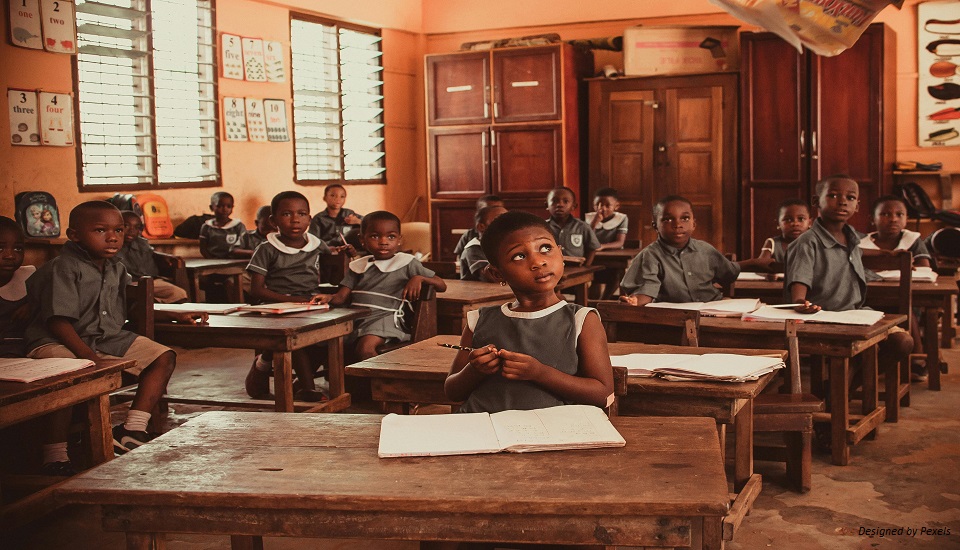
Africa’s education landscape is changing—but not everyone is paying attention yet. With rising demand, digital growth, and global collaborations, something big is quietly unfolding. Is Africa truly becoming a competitive force in global education? In this blog post, we explore the key trends shaping its rise. ...